Harnessing Big Data Analytics for Better Fire Department Decisions
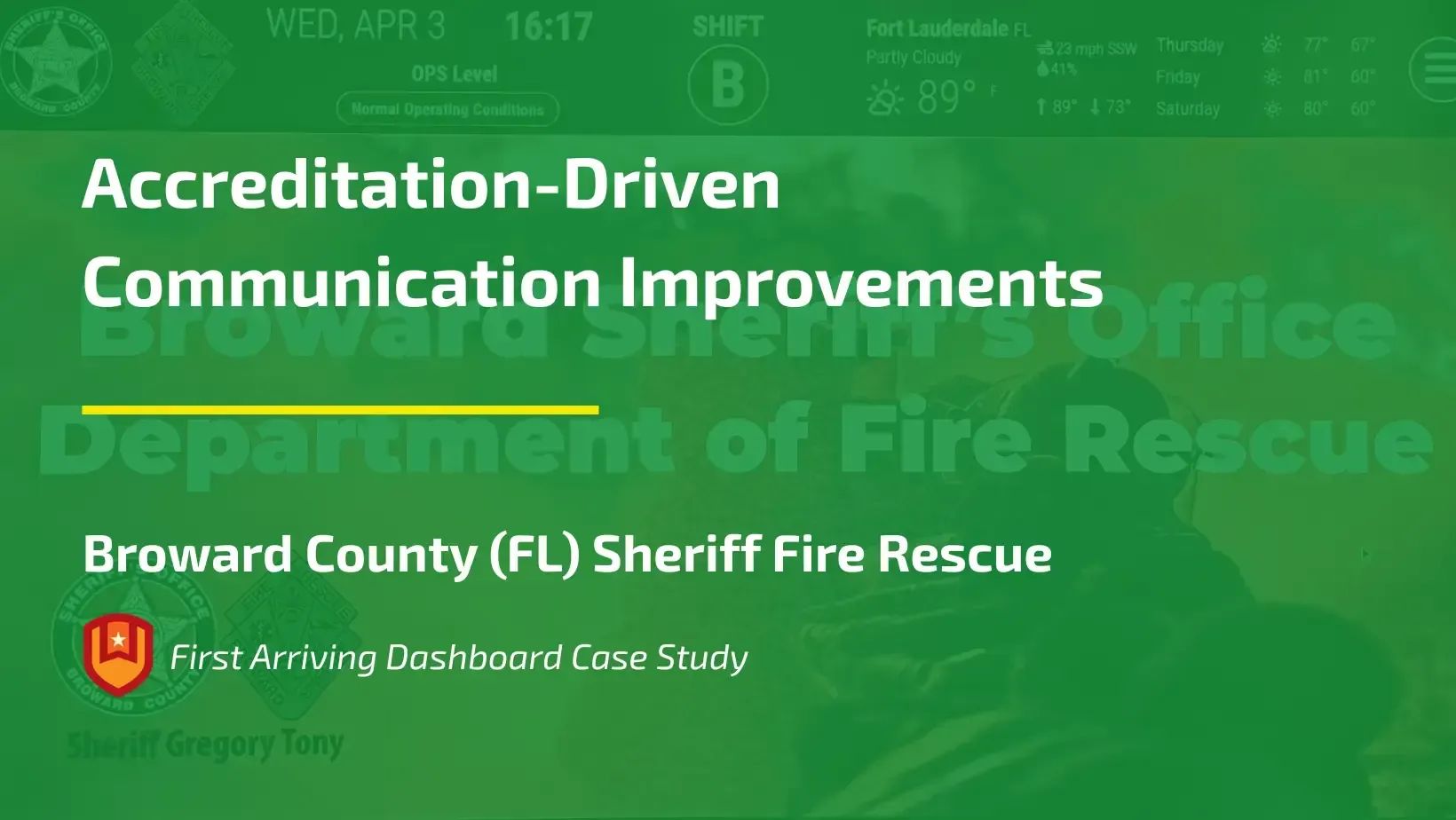
Big data turns fire department records into swift, data-driven decisions. First Arriving Dashboards draw on 140+ integrations and features to put live incidents, weather and traffic, shift schedules and equipment status on station screens — so leaders spot trends like slow response areas, and crews get mission-critical information immediately.
Faster decisions save lives. Digital dashboards turn the data you already collect—calls, reports, incidents—into real-time insights. They help spot problems, speed up response times, and back up the need for more people, training, or gear. Data isn’t extra work—it’s a tool to make your job safer and stronger.
Fire departments face growing challenges — from increasing wildfires to weather events and more — requiring swift, data-driven decisions. By leveraging big data analytics and advanced communication systems through digital dashboards, they can enhance efficiency, improve response times and better manage resources. Analyzing data from emergency calls, incident reports and predictive analytics helps optimize operations, ensuring firefighter and community safety.
First Arriving Dashboards help fire departments enhance their decision-making processes by tapping into the wealth of collected data from 140+ integrations and features. Fire departments can now uncover valuable insights, patterns and trends that enable proactive strategies and more efficient resource allocation.
What Role Does Big Data Have in Fire Department Operations?
You might wonder why analyzing data is necessary when many fire department decisions—like handling fires or managing personnel—don’t seem to require it. While departments can operate without it, there are three key reasons to use data: to better understand fire problems; allocate resources more effectively; and identify training needs. Most importantly, data reveals operational insights—like slower response times in specific areas—which can support requests for more equipment, personnel, or even a new station.
Fire departments generate and collect an immense amount of data from various sources, including:
- Emergency call records – Analyzing past emergency calls helps identify high-risk areas and common incident types.
- Response time tracking – Data on how long it takes units to respond can help pinpoint inefficiencies and improve dispatch protocols.
- Equipment usage and maintenance records – Tracking vehicle and equipment performance ensures readiness and reduces unexpected failures.
- Incident mapping – GIS and heat mapping technology can highlight fire-prone areas, allowing for better planning and prevention efforts.
By systematically analyzing this data, departments can uncover patterns and trends that improve decision-making, resource allocation and community safety initiatives.
How Does Data Enhance Communication and Coordination?
Fire service leaders must ensure the correct information reaches the right people at the right time to support effective decision-making. With data coming from internal systems and external sources, this can be challenging. The right software must access, organize and deliver clear, actionable information during emergencies—making technological choices critical to responder performance and safety.
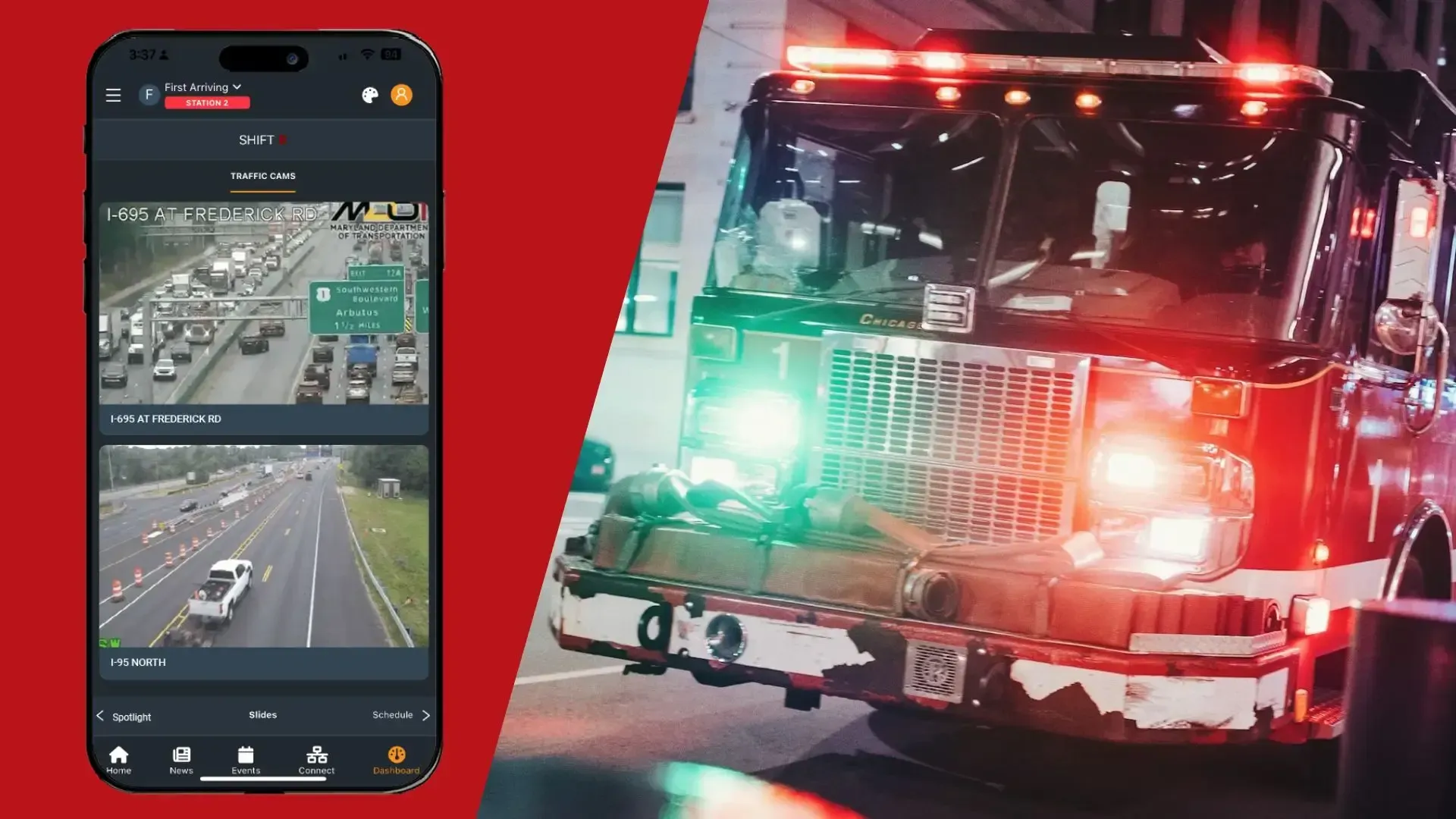
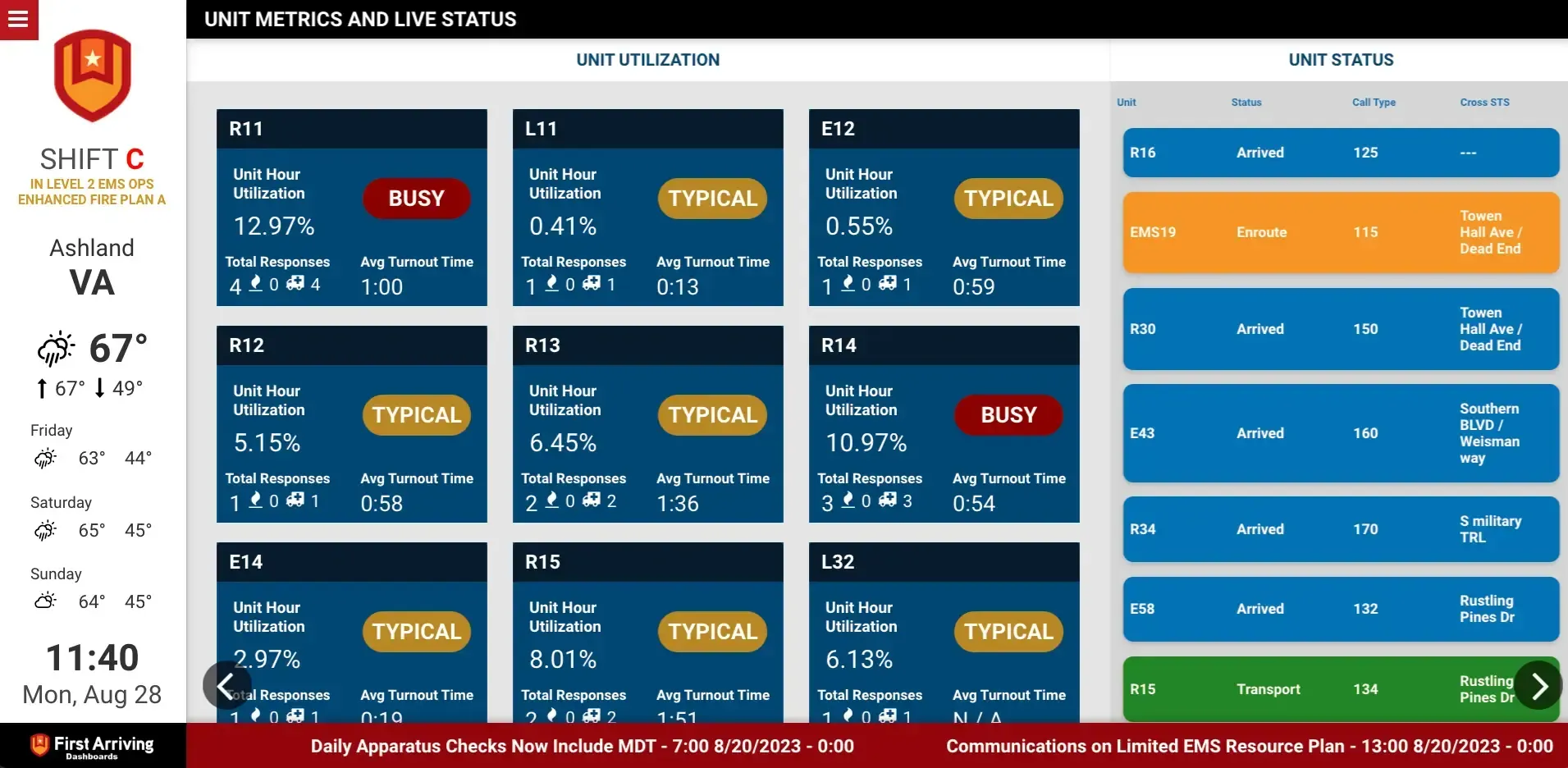
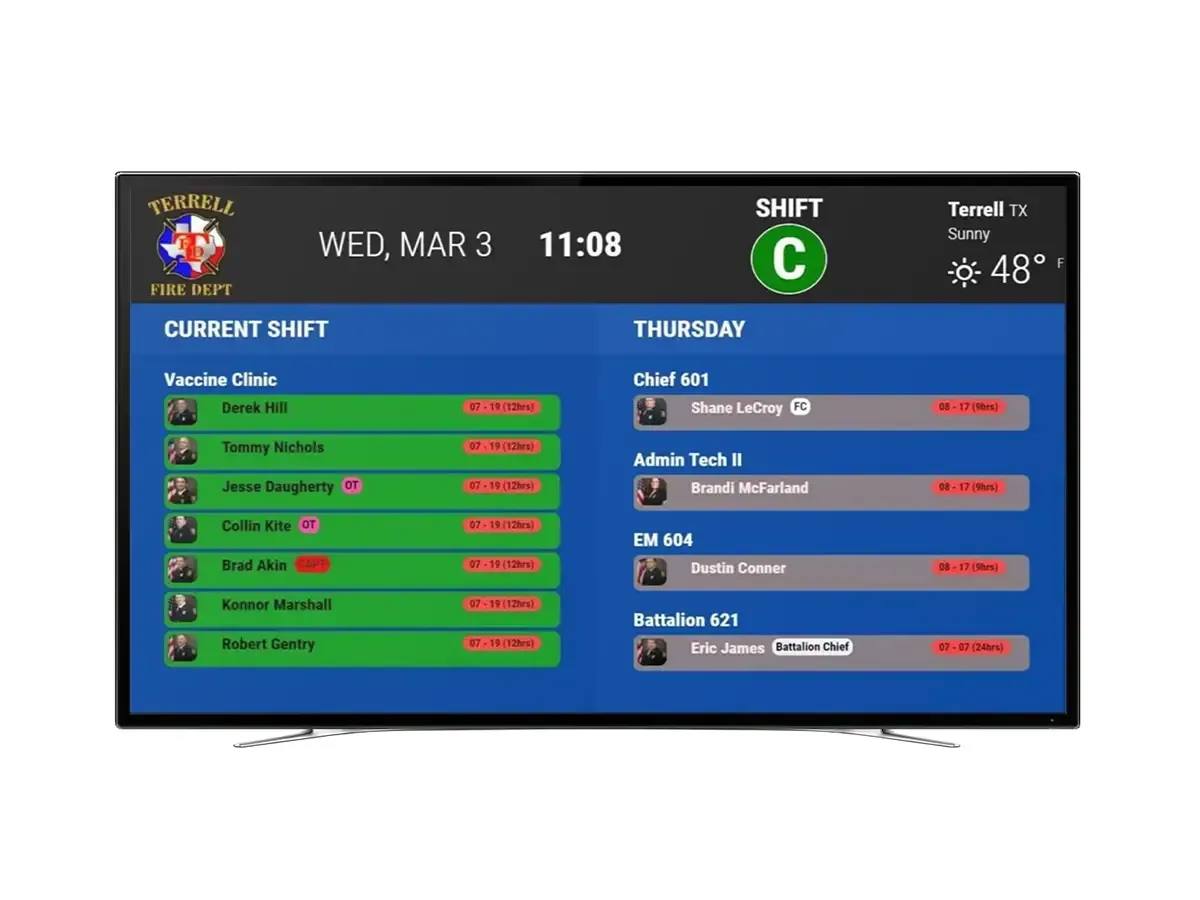
Big data analytics also play a critical role in improving communication between first responders, dispatchers, and other emergency services. Integrated dashboard systems, such as those provided by platforms like First Arriving, offer real-time data visualization, including:
- Live incident updates with location tracking
- Weather and traffic conditions affecting response times
- Shift schedules and personnel availability
- Equipment status and maintenance alerts
These dashboards ensure that first responders have immediate access to mission-critical information, reducing confusion and improving situational awareness.
How Can Big Data Analytics Help Fire Departments Allocate Resources More Effectively?
Effective resource allocation is crucial, especially when balancing emergency response with budget constraints. Big data analytics help:
- Optimize staffing levels based on peak emergency call times
- Determine the best placement of fire stations and response units
- Prioritize maintenance schedules to ensure equipment reliability
- Reduce unnecessary dispatches by analyzing false alarm patterns
With these insights, departments can improve operational efficiency while ensuring their teams are well-equipped to handle emergencies.
How Can Data Analytics and Emerging Technologies Improve Collaboration and Emergency Response?
Data analytics enable fire departments to collaborate and share data with other agencies and stakeholders. By integrating data from multiple sources and sharing insights, fire departments can enhance their situational awareness, improve coordination during multi-agency incidents and collectively work towards better emergency response outcomes.
As technology advances, fire departments will continue integrating machine learning and artificial intelligence into their data analytics strategies. These innovations will enhance real-time monitoring, help automate decision-making processes and provide even deeper insights into fire prevention and emergency response strategies.
Whether it’s response times or rescue call volume, integrations help departments track key metrics with user-friendly tools that don’t require technical expertise. Actionable data is essential for smarter firefighting and prevention. By leveraging daily data, fire departments can make more informed strategic decisions—and the sooner they start, the sooner they will see results.
Big data analytics transform fire department operations by enabling faster response times, more efficient resource allocation, and improved overall safety. By leveraging predictive insights, enhancing communication, and optimizing operations, fire departments can make more informed decisions that save lives and protect communities. As fire departments embrace data-driven strategies, they will be better prepared to meet the evolving challenges of emergency response in the modern world.
- U.S. Fire Administration. (2004). Fire data analysis handbook (2nd ed., FA-266). Federal Emergency Management Agency. https://www.usfa.fema.gov/downloads/pdf/publications/fa-266.pdf
- LeDuc, T. J. (n.d.). Big Data Driving Operational Performance and Fireground Safety. Fire Engineering. Retrieved April 5, 2025, from https://www.fireengineering.com/fire-safety/big-data-operational-fireground-safety/
- Ha, Y. (2018, December 20). Demystifying big data: 3 smart ways fire chiefs can improve data analytics on the fireground. Firerescue1.com. Retrieved April 14, 2025, from https://www.firerescue1.com/fire-products/emergency-response-software/articles/demystifying-big-data-3-smart-ways-fire-chiefs-can-improve-data-analytics-on-the-fireground-P0he62Y36kUduAUL/
See it in a real department
Frequently asked questions
Why should a fire department analyze its data if it already runs fine without it?
Data helps a department understand its fire problems, allocate resources more effectively and identify training needs. It also reveals operational issues, such as slower response times in specific areas. Those findings can support requests for more equipment, more personnel or even a new station.
What data do fire departments already have that is worth analyzing?
Most departments already collect emergency call records, response times, equipment usage and maintenance records, and incident locations. Analyzed together, they show high-risk areas, common incident types and where dispatch or readiness can improve.
How can data analytics help a fire department allocate resources?
It can set staffing levels around peak call times and guide where stations and response units are placed. It can also prioritize maintenance so equipment stays reliable, and cut unnecessary dispatches by finding false-alarm patterns.
Do firefighters need technical skills to use data dashboards?
No. Integrations let departments track key metrics such as response times and call volume with user-friendly tools that don't require technical expertise. First Arriving dashboards put live incidents, weather and traffic, shift schedules and equipment status where crews already look.
Where does a First Arriving dashboard get its data?
From the systems a department already uses, through 140+ integrations and features. These cover CAD/RMS, scheduling, LMS/training, fleet and equipment, asset tracking and facility systems. Dashboards surface that data rather than replacing those systems.