Reaching the Members Who Aren't at the Station
Volunteers, part-timers, off-rotation staff and members on light duty miss information when it travels by roll call, whiteboards and hallway talk. Agencies should send schedule changes, policy updates and safety notices through a channel that reaches members wherever they are, keep a written record of what was briefed, and check whether less-frequent members get the same picture.


The members who are not around every day are still your members. Under-communicating with them is a choice, and it is the wrong one.
Every agency has a core group that is around constantly. They are at the station most days, they pick up extra shifts, and they hear things in the hallway before anyone sends an email. And every agency also has a much larger group that is not around nearly as often: volunteers who show up for calls and drills but hold full-time jobs elsewhere, part-timers who work a set number of shifts a month, off-rotation staff, members on light duty, people covering a different station this quarter than last.
Don't Treat Them as an Afterthought
This is the problem I want to put front and center, because I think most departments get it backwards. It is tempting to treat the daily regulars as the real audience and everyone else as an afterthought, because the regulars are the ones you see and talk to. That is exactly the wrong instinct.
Your less-frequent members are still your members, so do not under-communicate with them just because they are not your daily heavy hitters. They carry the same responsibilities, respond to the same calls and are bound by the same policies as everyone else. Information should reach the whole roster, not just the people who happen to be standing in the kitchen when you mention something.
Why This Group Gets Left Out Without Anyone Deciding To
Nobody sets out to exclude part-time or less-frequent members. It happens by default, through the mechanics of how information usually moves.
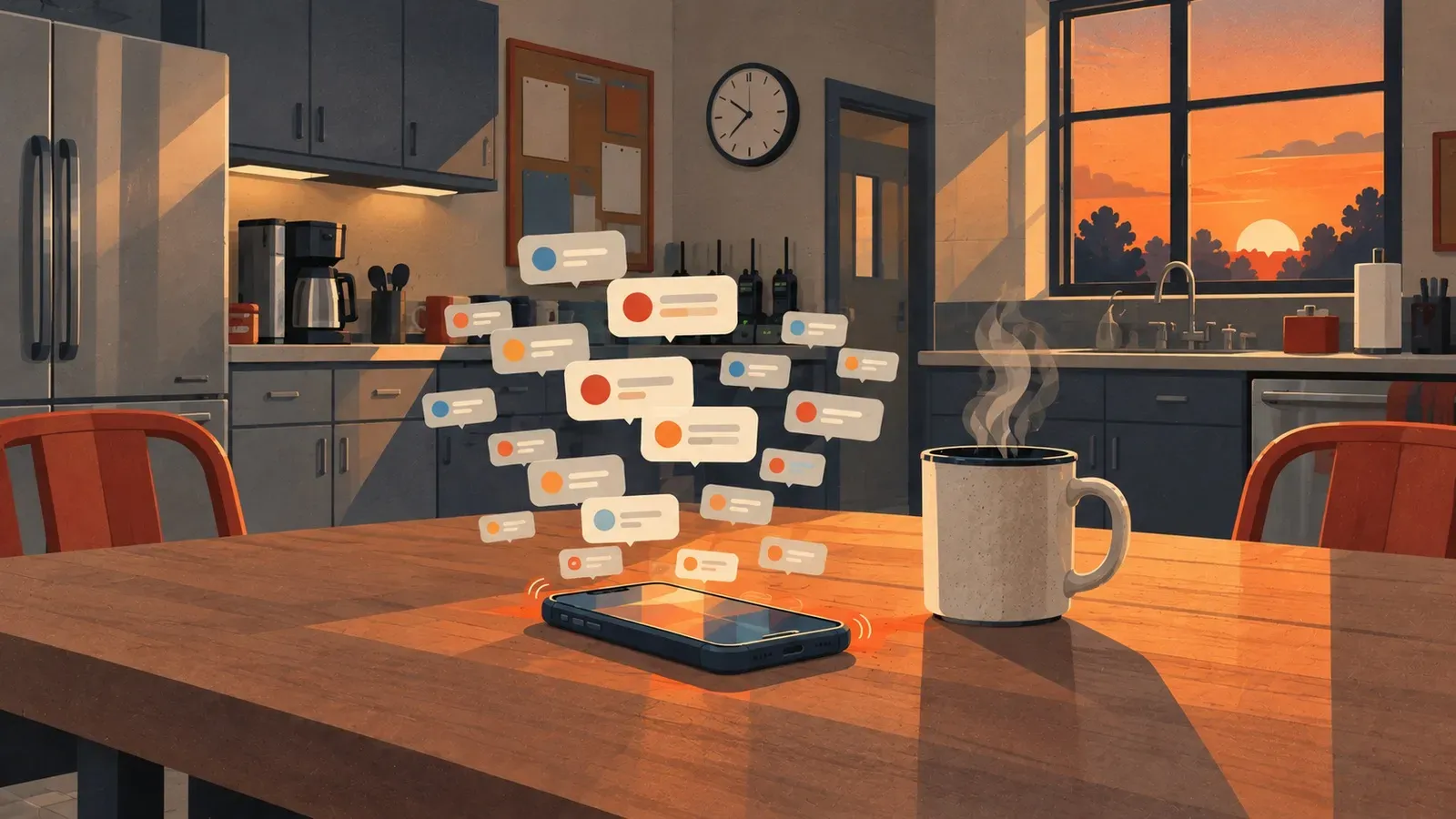
A lot of critical information in public safety travels informally: mentioned at roll call, discussed at a shift briefing, written on a board that only gets read by whoever walks past it that day. Every one of those channels favors the people who are physically present most often. If you are not there Tuesday morning, you do not hear what was said at Tuesday morning roll call, and unless someone deliberately repeats it somewhere else, you simply do not get it.
The same thing happens with informal hallway updates. A schedule change gets mentioned to three officers standing near the apparatus bay. Those three assume it will spread. It spreads to the people who happen to talk to them, which tends to be the same daily-regular group, and it never reaches the volunteer who was not scheduled that week or the part-timer on a different rotation.
None of this is malicious. It is just what happens when your communication system runs on proximity instead of structure. And proximity always favors the same people.
Respect What Their Time and Role Actually Look Like
Part of taking this seriously is recognizing that less-frequent members are members with a different pattern of availability, and your communications need to work with that pattern rather than penalize it.
A volunteer with a full-time job cannot check a station bulletin board on a Tuesday afternoon. A part-timer who works two shifts a month cannot count on catching something at roll call. Their commitment is fine. What they face is a mismatch between how information travels and how their time actually works. Respect that by getting information to them where they are, not by expecting them to somehow be more present.
It also means being thoughtful about tone. A member who missed the in-person conversation should not feel like they are getting a watered-down or delayed version of what everyone else already knows. Send the same information, at close to the same time, in a form that does not assume physical presence.
Practical Ways to Reach the Whole Roster
- Identify what cannot depend on presence. Schedule changes, policy updates, safety notices and anything that affects whether a member shows up correctly prepared for their next shift or call should never depend on someone being at the station to receive them.
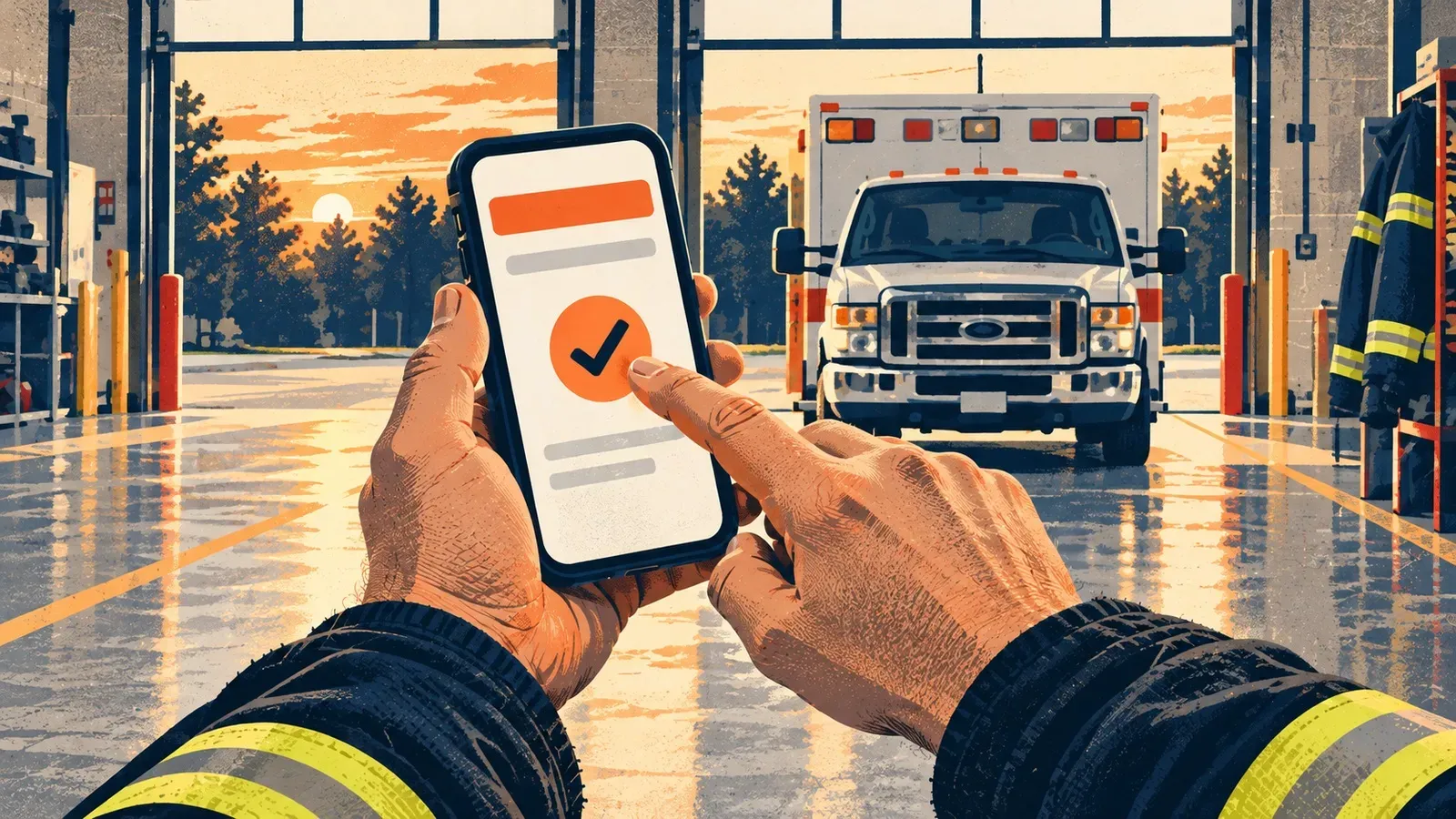
- Use a channel that reaches people wherever they are. For that category, skip anything that depends on walking past a board or being in the room. It might be a message to every member's phone or a shared system all members are expected to check. Whatever it is, it needs to work the same way for someone who was at the station yesterday and someone who has not been in for two weeks.
- Repeat important information. Do not assume one mention covers everyone. If something was discussed at a shift briefing, do not treat the briefing as the record. Put a written version where the whole roster can see it, precisely because the people who most need it were probably not in the room.
- Watch who is missing information, not just who received it. If the same subset of members always seems caught off guard by a change, your default channel is reaching the regulars and quietly skipping everyone else. Fix the channel, not the people.
- Ask them directly. Ask your less-frequent members how they prefer to get information and whether they feel they are getting the same picture as everyone else. They will tell you plainly when something is not reaching them, and that feedback is worth more than assuming your system works because it works for the people who are always around.
The Test That Matters
Here is a simple test of whether your internal communications reach the whole department. Pick a member who was not at the station this week: a volunteer between shifts, a part-timer off rotation, someone on light duty. Ask them what they know about the last policy change, the last schedule adjustment and the last safety notice. If their answer is noticeably thinner than what a daily regular would tell you, your system is working for part of your roster and failing the rest.
That gap is not a small thing. It means some of your members are operating with less information than others, through no fault of their own, simply because of when they happen to be around. Every member deserves the same picture of what is happening in their department, regardless of how often they walk through the door.
That is a big part of why First Arriving runs on the station TV, the desktop and an iOS and Android app. Announcements, schedules and documents reach members wherever they are, and required acknowledgments show whether the people who were not in the building have seen what changed.
Frequently asked questions
Why do volunteers and part-time members miss department information?
Much critical information travels informally through roll call, briefings, whiteboards and hallway conversations. Those channels favor members who are physically present most often.
What information should never depend on being at the station?
Schedule changes, policy updates, safety notices and anything that affects whether a member arrives correctly prepared for their next shift or call.
How can a department tell if less-frequent members are being left out?
Ask a member who was not at the station this week what they know about the latest policy change, schedule adjustment and safety notice. If their answer is thinner than a daily regular's, the system is skipping part of the roster.
About the author
Dave Iannone
Founder & Chief Product Officer
Founder of Firehouse.com and Firefighter Nation, a veteran entrepreneur and lifelong first responder and leader.